
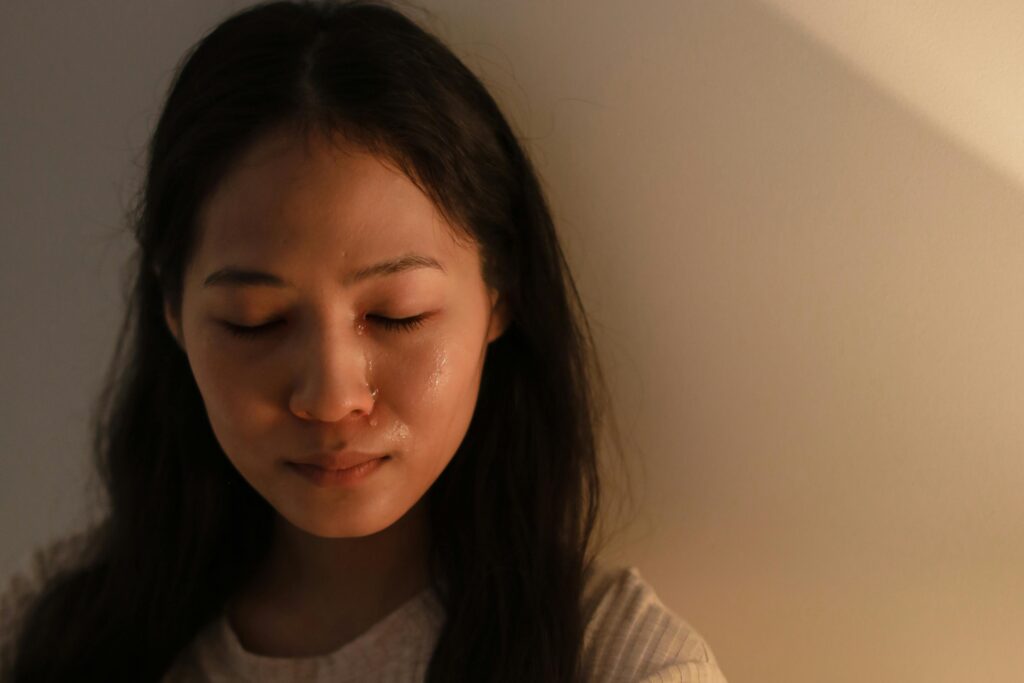
Some moments never make it to Instagram. Some transformations don’t come with applause. Some truths dissolve silently, like tears in the rain.
This isn’t just poetic language. It’s a lived reality for so many women doing the deepest, most invisible work of their lives. The quiet kind — the kind that doesn’t trend, doesn’t sparkle, and doesn’t need validation to be real.
These are the women who are grieving identities they’ve outgrown, releasing roles that no longer fit, and reclaiming parts of themselves they were once told to hide. There’s no finish line for that kind of healing. No “before and after” picture. Just a slow, tender unfolding.
And yet, that invisible work is sacred.
The Sacredness of the Unseen
Not everything that matters is meant to be seen.
We live in a world obsessed with proof — with showing our worth, documenting our growth, and validating every change through public acknowledgment. But the soul doesn’t need an audience to evolve.
Sometimes sacred work happens when no one is watching:
- The decision to walk away from something safe but misaligned.
- The night you sat on the bathroom floor and finally let it all go.
- The prayer whispered into your pillow that changed everything, even if no one else knew.
These moments don’t need likes. They need reverence.
When we start to honor what’s unseen, we begin to reclaim our wholeness — the parts of us that have been waiting quietly beneath the noise.
What Dissolves in the Rain
Tears are not weakness. They are water, and water changes everything.
When we cry, we release the stories that keep us bound. We let go of expectations and illusions. We soften the armor we built just to survive.
Each tear carries memory and meaning:
- It washes away the need to perform.
- It cleanses grief and shame the world told us to carry quietly.
- It returns us to essence — not because we broke down, but because we broke open.
This is not fragility. This is emotional alchemy.
The body knows how to heal. The heart knows how to release. The mind’s only job is to stop interrupting the process with judgment or fear. When you let yourself cry — truly cry — you let your nervous system exhale. You give permission for your humanity to breathe again.
The Feminine Power of Surrender
As women, we’re often taught to equate composure with strength. “Hold it together.” “Be professional.” “Don’t be so emotional.”
But true power doesn’t lie in emotional suppression. It lies in emotional surrender — in trusting that feeling deeply won’t drown you, it will free you.
To feel it all and still rise? That’s power.
To be drenched in grief and still move forward? That’s grace.
To let your tears fall, unashamed and unhidden? That’s freedom.
Surrender is not collapse. It’s conscious release. It’s the courage to say: I will no longer perform stability at the expense of my truth.
When women begin to embrace emotional presence, they stop living from survival mode and start leading from soul. That’s when healing becomes transformation — and transformation becomes leadership.
Why Emotional Presence Matters in Modern Womanhood
The deeper reason emotional presence matters is that it reconnects us to authenticity — the core of feminine power.
In the era of “strong woman” archetypes and high-functioning exhaustion, vulnerability can feel like rebellion. Yet the ability to feel without filtering, to slow down instead of speeding up, and to tell the truth instead of curating the perfect image… these are the quiet revolutions changing women’s lives.
Research in emotional intelligence and somatic psychology supports this too. Emotional suppression creates physical and mental fatigue. It keeps the body in a stress loop. Emotional release, by contrast, regulates the nervous system, restores balance, and allows for creative clarity.
When you honor what’s felt — even when it’s messy, raw, or inconvenient — you stop fighting yourself. You return home.
Letting It Be Enough
Not every emotion needs a moral, a meaning, or a social caption. Some moments are meant to be felt, not processed.
Give yourself permission to:
- Not perform your pain.
- Not package your healing.
- Not prove your transformation.
You don’t need to turn every emotion into a lesson or brand content. Sometimes the most healing act is simply allowing yourself to exist in the moment without editing or explanation.
Let it be enough that you are feeling. That you are here. That your heart still beats, even if it beats differently than before.
From Dissolution to Emergence
Tears don’t just mark endings; they soften the soil for beginnings.
After the rain, truth feels closer.
Clarity takes root.
You feel more like you — not the version that was palatable, but the one that’s powerful.
That’s the quiet miracle of healing. It rarely announces itself. It just shows up one day in the way you speak, choose, or breathe. You’ll realize you’ve stopped apologizing for existing. You’ve stopped negotiating your needs. You’ve stopped dimming your presence.
That’s emergence. That’s rebirth. And it often begins with the tears you were once ashamed to shed.
Presence Without Performance
To be fully with yourself — without needing to turn the moment into content, a lesson, or a post — is one of the most radical acts of emotional presence.
This is the essence of the sacred feminine:
- Unfiltered.
- Unrushed.
- Unapologetically human.
When women make space for this, everything changes: relationships deepen, creativity expands, intuition strengthens, and business becomes grounded in authenticity rather than performance.
At Inner Perspective Coaching, this is where we begin — with the unseen. With the parts of you that have been waiting for permission to exhale. The work isn’t about fixing. It’s about remembering who you are when you stop performing and start feeling again.
Let the Rain Come
Let it fall.
Let it cleanse.
Let it carry away what no longer belongs.
And when the sun returns — and it always does — lift your face toward the light. No explanation needed.
You are allowed to feel it all.
You are allowed to be transformed by what no one else sees.
You are allowed to let it all move through you, like tears in the rain.
Suggested Reading & Reflection
If this piece resonates with you, explore:
- Inspired by the nuance of emotional release? Explore the work of Clarissa Pinkola Estés or revisit the iconic “tears in rain” monologue from Blade Runner for poetic inspiration.
- Watch Roy Batty’s iconic “Tears in Rain” monologue from Blade Runner.
- Journaling Prompt: What am I ready to release that no one else needs to understand?
Ready to take your emotional power seriously? Connect with Coach Deb and begin your emotional leadership journey today.